
Buying a new ski helmet often creates frustration. You take your head measurements to get the correct size in centimeters, yet the helmet continues to cause discomfort at your temples or wobbles from front to back. The main issue usually isn’t the size of your head—it is the shape.
Most sizing guides focus exclusively on measuring circumference. However, heads are rarely perfect circles; they exist in varying degrees of oval. Matching the helmet mold to your specific head geometry is the only way to get a safe, comfortable fit.
The following guide will help you determine your head shape and select the best ski helmets for your profile, enabling you to concentrate on the slopes instead of dealing with headaches.
At a Glance: The Fit Checklist
- Measure Circumference: Use a soft tape measure just above your eyebrows. This gives you the numeric size (Small, Medium, Large). Measure Circumference is step one, but not the whole picture.
- Identify Shape: Are you longer front-to-back (Oval) or wider side-to-side (Round)?
- Match the Brand: Helmet designs generally follow distinct shapes suited for either round or oval forms.
Why Circumference Isn’t Enough
Most ski helmets range from 51cm to 63cm. While this measurement confirms your skull size, it fails to detect where pressure might occur. A helmet designed for a “Long Oval” head might have the correct circumference for a “Round” head, but it will press painfully against the temples while leaving dangerous gaps at the forehead and back of the neck.
Conversely, a round helmet on a long head will push against the forehead and back of the skull while leaving open space near the ears. According to expert guides on helmet sizing, a proper fit should be snug everywhere without pinching.
The Three Main Head Shapes
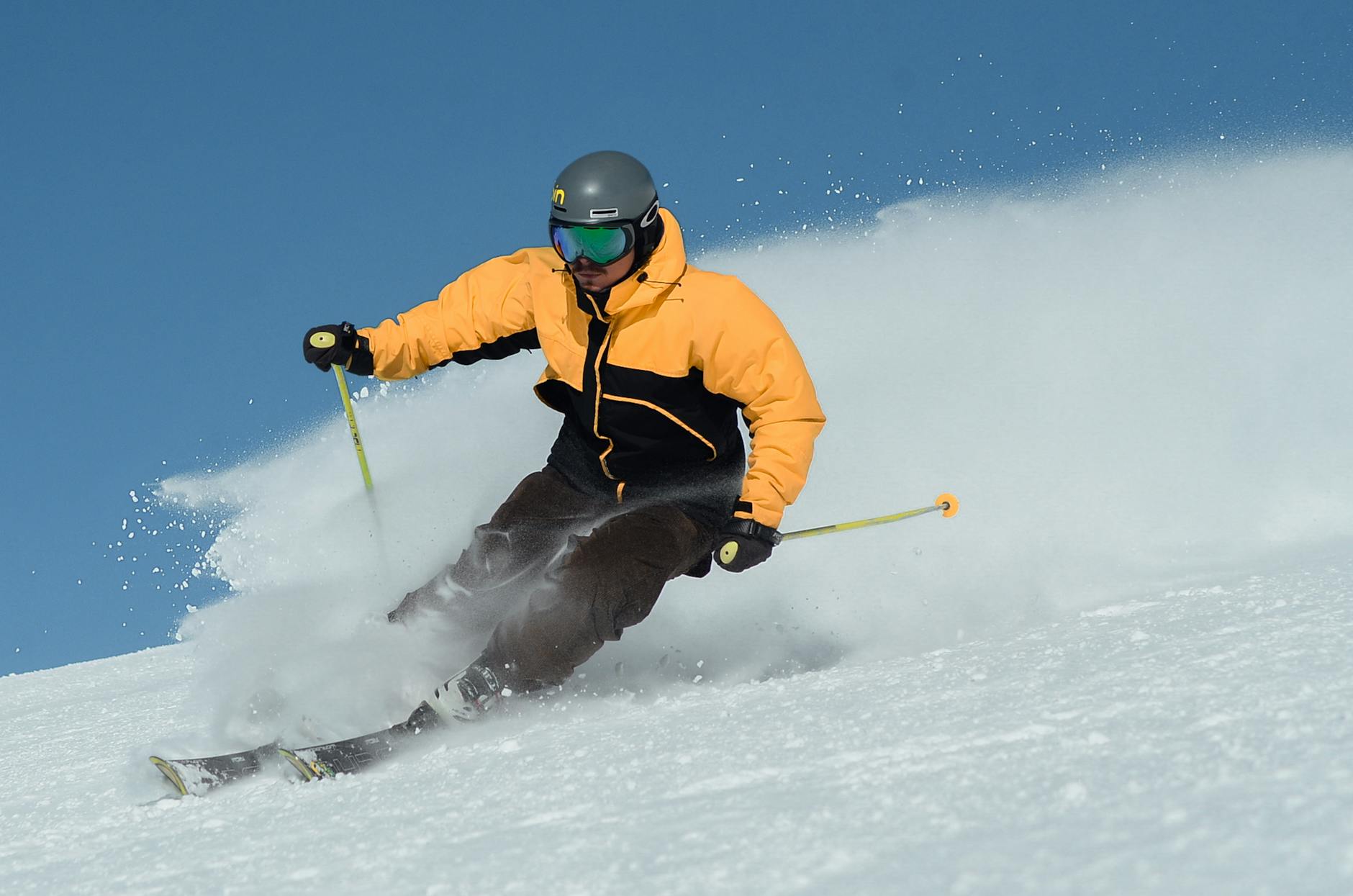
To choose the right gear, you must determine which geometry category you belong to:
- Long Oval: The head extends significantly more from front to back than it does from side to side. This shape is less common in modern helmet design but still exists.
- Intermediate Oval: The North American and European markets use the Intermediate Oval shape as their primary standard. The head is slightly longer front-to-back than it is wide. Most generic helmets are built for this profile.
- Round Oval: The head width is nearly equal to its length. This is common among skiers with Asian heritage (often called “Asian Fit”). If you often feel pressure directly above your ears in standard gear, you likely have a Round Oval head.
How to Determine Your Head Shape at Home
You do not need medical equipment to figure this out. A basic mirror test serves as an effective assessment method.
The Top-Down Mirror Test
- Find a handheld mirror or a smartphone camera.
- Hold it above your head so you can see the top of your skull (the crown).
- Flatten your hair as much as possible to see the true bone structure.
- Observe the curvature. Does it look like a circle (soccer ball) or an oval (rugby ball)?
It is often easier to have a friend take a photo looking down at the top of your head while you look straight ahead. Tracing the outline of your head in the photo can make the shape obvious.
Brand Fit Profiles: General Rules of Thumb
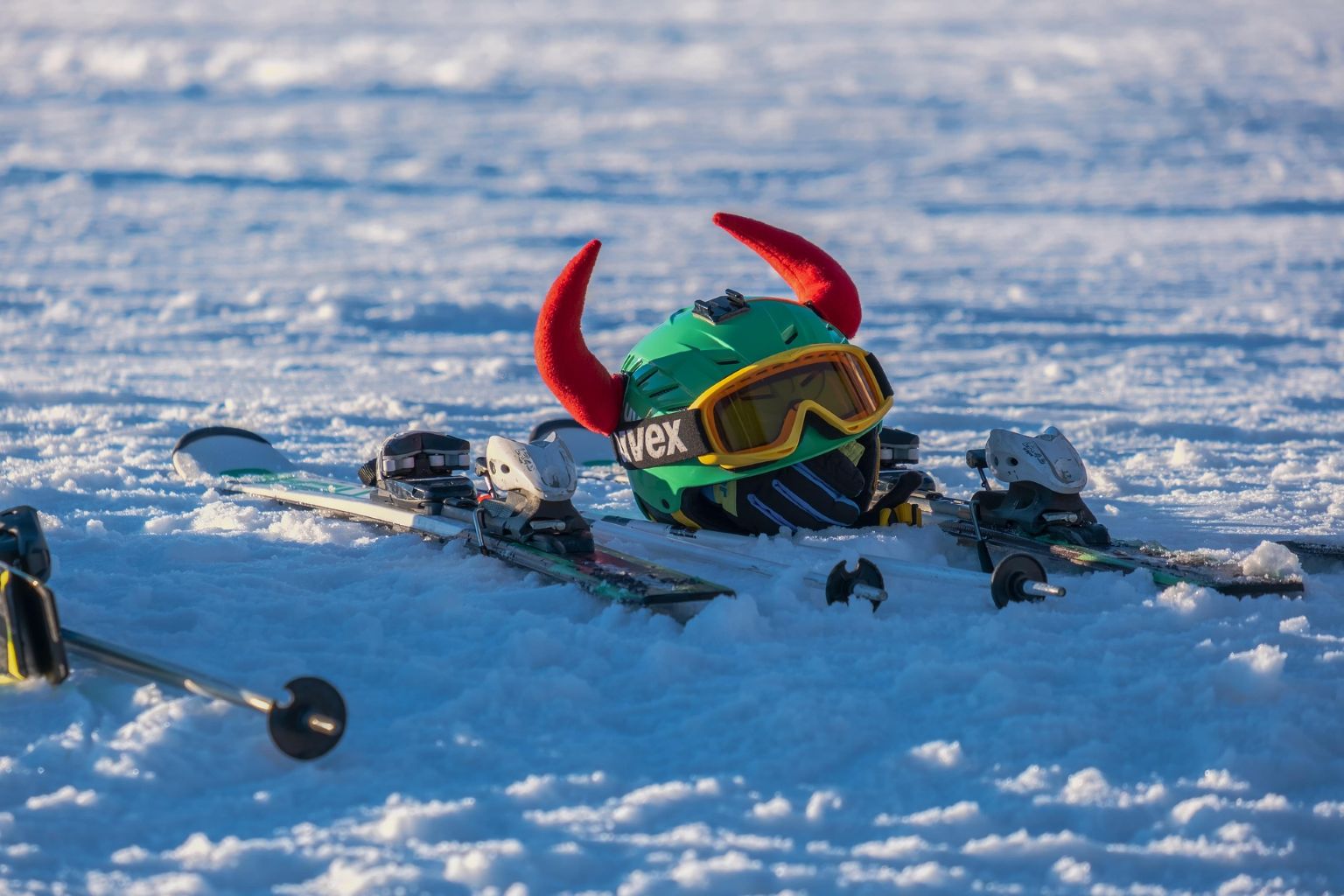
The label “Intermediate Oval” appears infrequently on boxes, yet users and shop owners have identified design tendencies for major brands. While Match the Brand rules aren’t absolute, they provide a solid starting point.
Intermediate Oval (The Standard Fit)
Brands like Smith and Giro typically design their products around the Intermediate Oval shape. Since this is the most common head shape in Western markets, these are often the safest starting points for the average skier. If you have a neutral head shape, these brands will likely fit true to size without hot spots.
Rounder Profiles
The internal mold design of certain brands creates a slightly broader shape. Users often report that Anon and Oakley helmets provide a superior fit for heads that are wider at the sides. Additionally, many manufacturers now offer specific “Asian Fit” or “Round Fit” versions of their flagship models to reduce pressure at the temples.
Narrow/Longer Profiles
Historically, brands like POC had a reputation for a narrower fit, though newer models have moved closer to a universal intermediate shape. If standard helmets feel loose on the sides of your head, looking for a European performance fit may solve the problem.
The Final Verdict: Performing the Shake Test
The safety of any ski helmet depends on its ability to stay in position during a collision. Safety organizations emphasize that a loose helmet cannot properly protect your brain.
- Place the helmet on your head and tighten the rear adjustment dial (if available) until it is snug but comfortable.
- Leave the chin strap unbuckled.
- Shake your head from left to right (like saying “no”).
- Nod your head up and down (like saying “yes”).
Passing Grade: Your forehead skin must move with the helmet. The helmet should not rotate independently of your head.
Failing Grade: The helmet fails if it slides over your hair or drops down to rest on your eyebrows during a nod. Conversely, immediate pain at your temples indicates the shape is too narrow.
Common Pitfalls When Buying
Sizing Up to Fix Width: A common mistake is choosing a Large because the Medium pinched your temples. A Large might stop the pinching, but it will likely be unsafe because it is too long front-to-back, leaving gaps for impact energy to transfer. You require a Round Fit model, not a larger size.
The Gaper Gap: Different brands have different brim curvatures. Bringing your goggles to the shop—or knowing where to get fitted professionally—is standard practice to ensure they sit flush against the helmet brim.
Old Foam: The Medium you used five years ago probably has a different fit than a brand new Medium due to foam compression (“packing out”). Always remeasure your head before buying new gear.
Frequently Asked Questions
How do I know if my ski helmet fits properly?
A proper fit means the helmet feels snug all around your head without painful pressure points. When you shake your head with the chin strap unbuckled, the helmet should not slide; instead, it should move the skin on your forehead.
Which ski helmet brands are best for round heads?
Brands like Anon and Oakley often accommodate wider heads better than others. Additionally, look for specific ‘Asian Fit’ or ‘Round Fit’ models from manufacturers like Smith and Giro.
How tight should a ski helmet be?
It should be snug enough that it doesn’t wobble, but not so tight that it causes a headache. You should feel consistent contact around the entire circumference of your head.
What is the difference between Round Fit and Asian Fit?
In the ski industry, these terms are often used interchangeably. Both refer to a helmet mold that is wider at the sides and slightly shorter front-to-back to accommodate a rounder skull shape.