
Trekking poles are one of the most practical tools for hiking, climbing, and mountaineering—especially for beginners. When used correctly, they improve balance, reduce strain on your knees, and help you move more efficiently across different terrain.
Why Use Trekking Poles for Hiking?
When we go hiking, climbing, or mountaineering, we want to walk briskly and steadily. A pair of reliable trekking poles helps distribute effort across both the upper and lower body, improving stability and control.
Trekking poles are useful in many environments:
- On flat ground and well-maintained trails, they help maintain a steady pace
- In soft snow, they provide support and can be used to probe conditions beneath the surface
- On uneven or steep terrain, they share the load on your legs and reduce joint impact
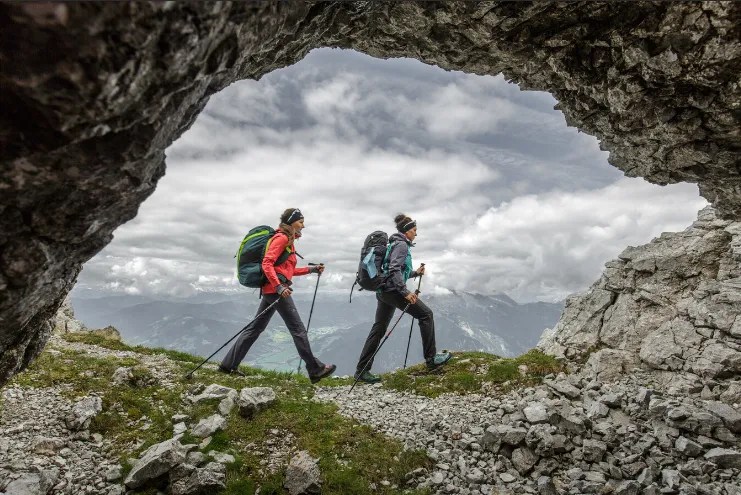
Should You Use One Trekking Pole or Two?
For most hikers—especially beginners—using two trekking poles is strongly recommended.
In almost all hiking scenarios, two poles provide better balance, load distribution, and safety than using a single pole.
When you use two poles:
- Upper body muscles assist movement
- Load on legs and hip joints is reduced
- Balance and rhythm are easier to maintain
Using only one pole often causes the body to lean toward one side, creating uneven force distribution and reduced stability. Over time, this imbalance can increase fatigue and the risk of injury.
If you don’t frequently switch hands when using a single pole, shoulder muscles may also become sore more quickly.
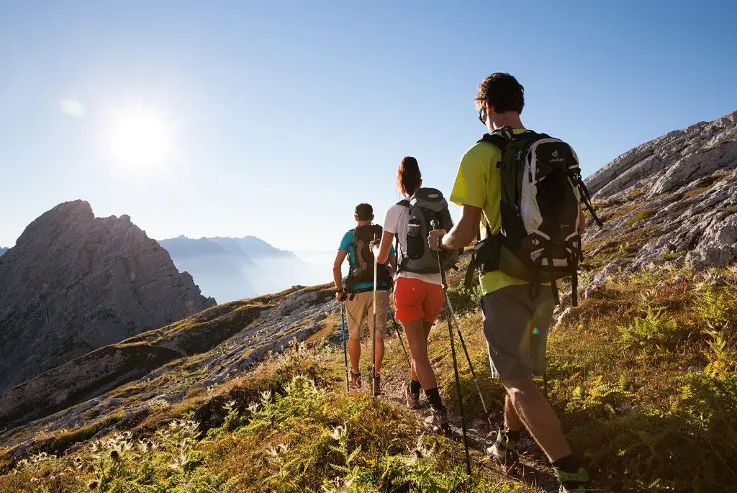
How to Use Trekking Pole Wrist Straps Correctly
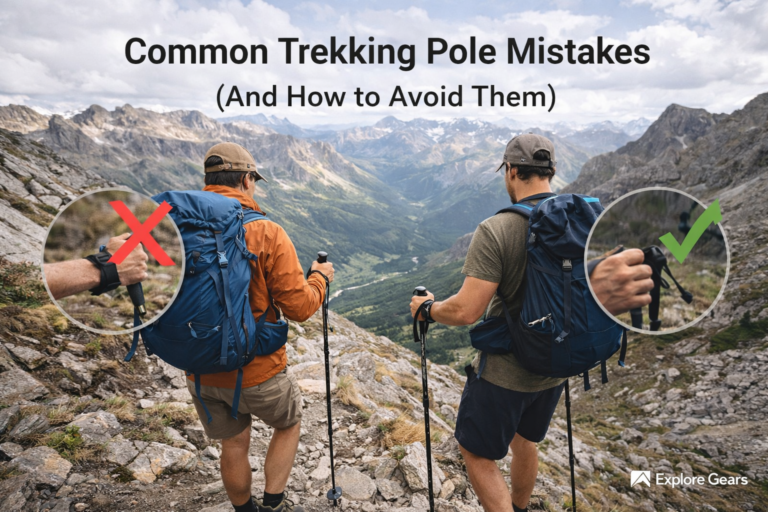
Wrist straps are designed to support your weight efficiently—not just to prevent dropping the poles.
Correct method:
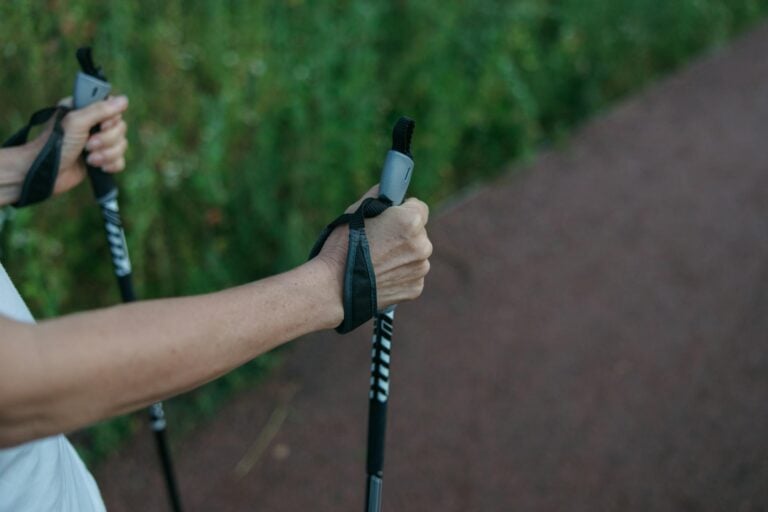
- Straighten the wrist strap
- Insert your hand from the bottom of the strap
- Lightly grip the handle
Avoid gripping the handle too tightly. Your weight should rest on the wrist strap rather than your palm, which helps reduce hand and forearm fatigue.
Keep your wrist, the strap, and the pole aligned so the downward force transfers smoothly through the strap. This improves both stability and efficiency.
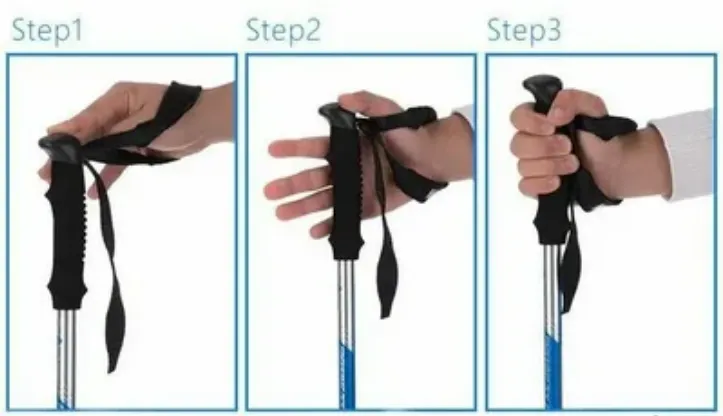
Trekking poles are designed for left and right hands, and wrist straps usually have markings. Wearing them on the correct side allows the strap to fit your wrist naturally and work as intended.
Many beginners misuse wrist straps, which is one of the most common trekking pole mistakes.
How to Adjust Trekking Pole Length Correctly
Proper pole length is essential for comfort and joint protection. If you’re unsure about sizing, this is explained in more detail in our trekking pole length guide.
To find your base pole length:
- Stand upright
- Let your arms hang naturally while holding the grips
- Adjust the pole so the tip lightly touches the ground
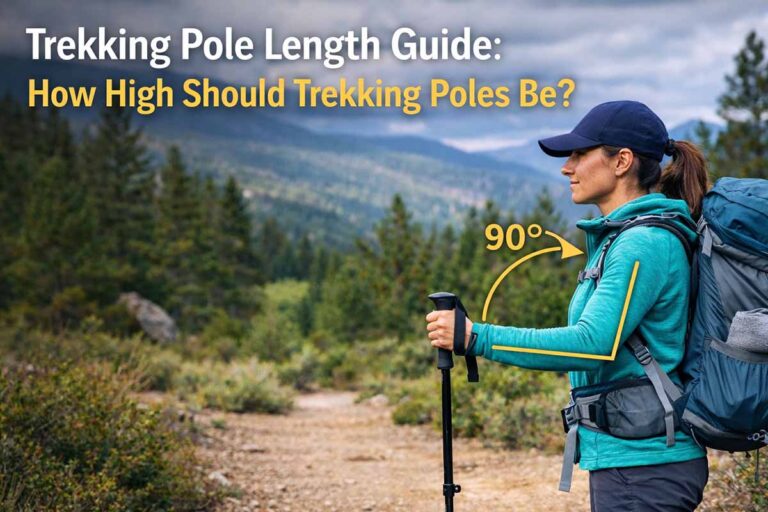
- Your elbow should form a 90-degree angle
Correct adjustment helps share body weight and reduces impact on knees and other joints.
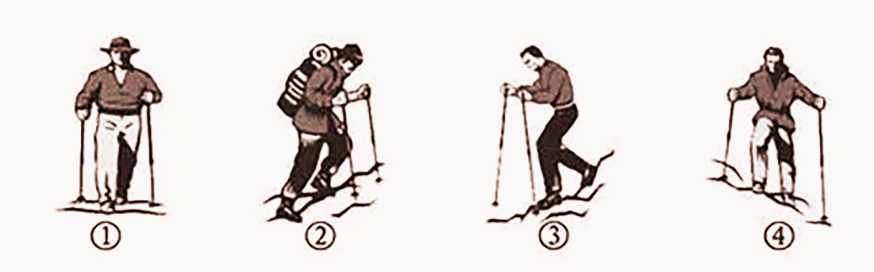
How to Use Trekking Poles on Different Terrain
Pole length and technique should change depending on the terrain.
If you regularly hike on steep trails, understanding how pole use differs on climbs and descents becomes especially important. Small adjustments in length, timing, and hand position can significantly reduce joint strain and improve control.
For a deeper, terrain-specific breakdown, see our guide on using trekking poles on uphill and downhill terrain.
Flat Ground
- Pole tips should not extend beyond your front toes
- Use poles to help push your body forward
Uphill Hiking
- Shorten the poles
- Keep elbows close to a 90-degree angle
- Plant poles slightly ahead for support
Downhill Hiking
- Lengthen the poles
- Maintain a near-90-degree elbow angle
- Use poles to absorb impact and improve balance
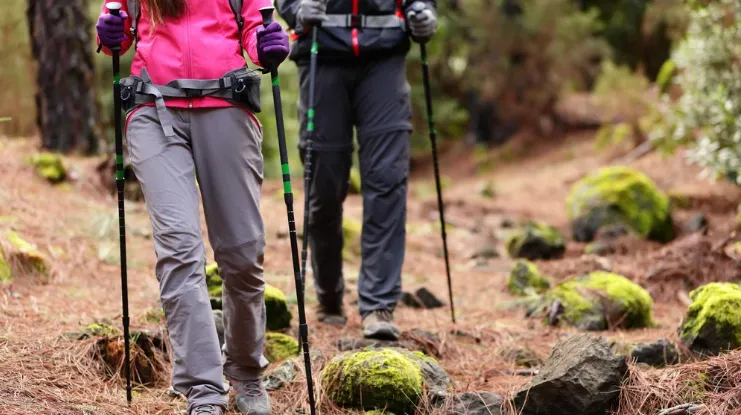
Trekking Pole Safety Tips
Using trekking poles incorrectly can increase risk rather than reduce it.
- Avoid placing pole tips on unstable or uneven surfaces
- Do not rely on poles on rocky cliffs or narrow ridges where hands may be needed for balance or gripping rock
- If a pole tip becomes stuck in a crevice, release it rather than forcing movement
- Keeping both hands free when necessary is a fundamental principle of safe hiking
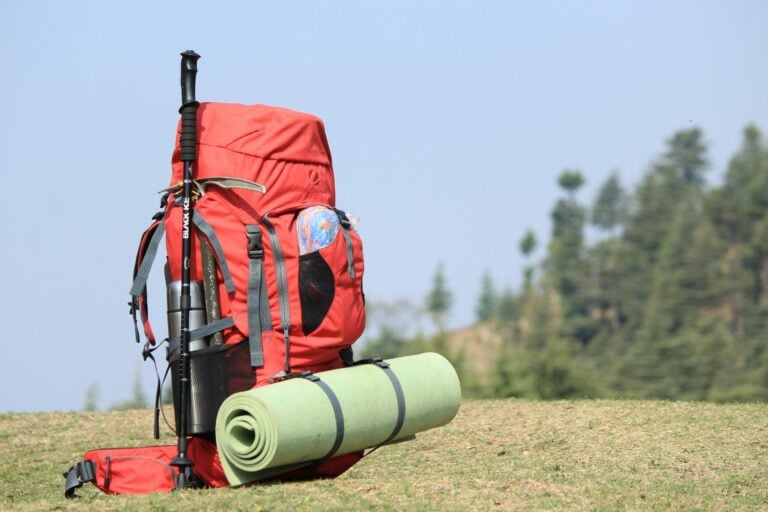
When not in use, retract trekking poles to their shortest length and store them securely in your backpack to avoid injuring others.
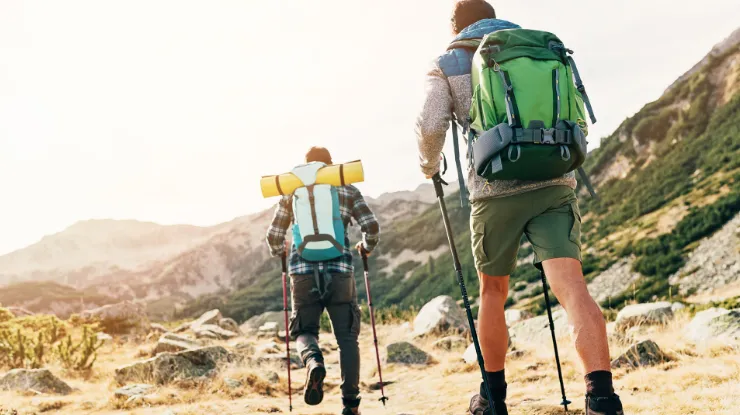
Common Trekking Pole Mistakes Beginners Make
- Gripping the handle too tightly instead of relying on the wrist strap
- Using trekking poles that are too long or too short
- Forgetting to shorten poles uphill or lengthen them downhill
- Relying on poles in exposed or technical terrain where hands are needed
Avoiding these mistakes helps you get the full benefit of trekking poles while staying safe.
Benefits of Using Trekking Poles Correctly
Hiking poles are often overlooked, but when used correctly they offer clear advantages.
Research and field experience show that proper trekking pole use can:
- Reduce knee joint load by over 20%
- Lower overall energy consumption
- Improve balance and stability
- Make long hikes more comfortable and less fatiguing
Used properly, trekking poles help protect your joints, reduce injury risk, and make hiking more comfortable and enjoyable.
Frequently Asked Questions About Trekking Poles
Should beginners use trekking poles?
Yes. Trekking poles are especially helpful for beginners because they improve balance, reduce knee strain, and provide stability on uneven terrain.
How high should trekking poles be?
When standing upright with the pole tip on the ground, your elbow should form a 90-degree angle. This is the correct base length for most terrain.
Are trekking poles good for your knees?
Yes. Proper trekking pole use helps transfer part of your body weight to your upper body, reducing stress on the knee joints—especially during downhill hiking.
When should you not use trekking poles?
Avoid using trekking poles on rocky ridges, exposed cliffs, or technical terrain where hands are needed for gripping rock or maintaining balance.
Why Trust ExploreGears
ExploreGears focuses on practical outdoor use—not marketing claims.
Our guides are written based on real hiking experience, field testing, and common mistakes we’ve seen from beginners on the trail.
The goal is simple: help you hike safer, move more efficiently, and understand your gear before you rely on it outdoors.
What to Do Next
If you’re still unsure which trekking poles are right for your hiking style, start by browsing our trekking poles category page to compare different lengths, materials, and designs.
Once you know the correct length and how poles should be used, choosing the right pair becomes much easier—and you’ll actually feel the difference on the trail.
Once you understand the basics of pole length, straps, and terrain use, choosing the right pair becomes much easier.
References:
- Jeffrey L. Marion; Teresa A. Martinez; Robert D. Proudman (Spring 2001). “Trekking Poles: Can You Save Your Knees – and the Environment?“
- Tschentscher M, Niederseer D, Niebauer J (January 2013). “Health Benefits of Nordic Walking: A Systematic Review”