
Avalanche Risks at Mount Werner
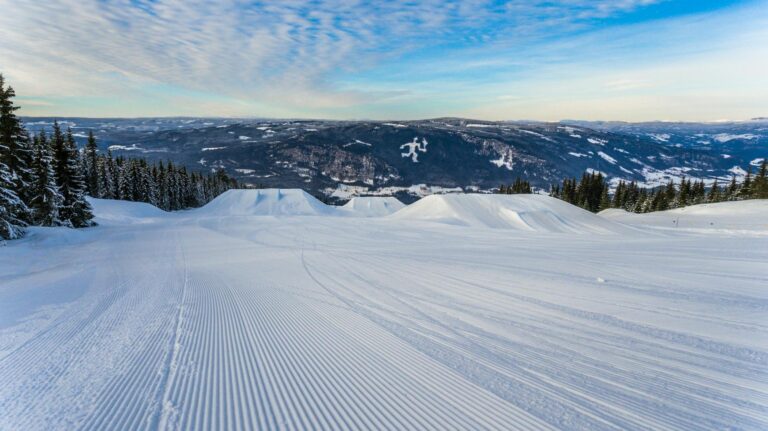
Steamboat sits on Mount Werner in the Park Range. The chutes and open bowls draw advanced skiers like me, but the terrain traps wind-loaded snow, making slabs unstable after storms. Fresh dumps crank up the threats—I stick to marked runs early season to play it safe. Off-piste, watch convex rolls; they drop heavy loads.
High-Risk Zones: Chutes, Bowls, and Tree Wells
The False Security of the Trees
While many skiers fear the open bowls, the trees on Mount Werner hold their own distinct dangers. You noted that tree islands in areas like Closet Bowl can hide buried weak layers. It is a common misconception that trees always anchor the snowpack; in reality, “glades below 10,000 ft” are generally lower risk, but they still contain pockets of instability. Furthermore, tree wells are a constant threat in deep powder years. When skiing these zones, always maintain visual contact with your partner, as a buried weak layer can trigger a slide even in the timber.
High-risk zones:
- Chutes off Sunshine Peak: Sun-baked crusts fail often.
- Tree islands in Closet Bowl: Buried weak layers lurk.
- Backcountry gates to tree line: Bigger slides feed in.
[Experience Note] The time I climbed Pony Express, wind ripped across the ridge. I turned back—no beacon ping was worth that risk.
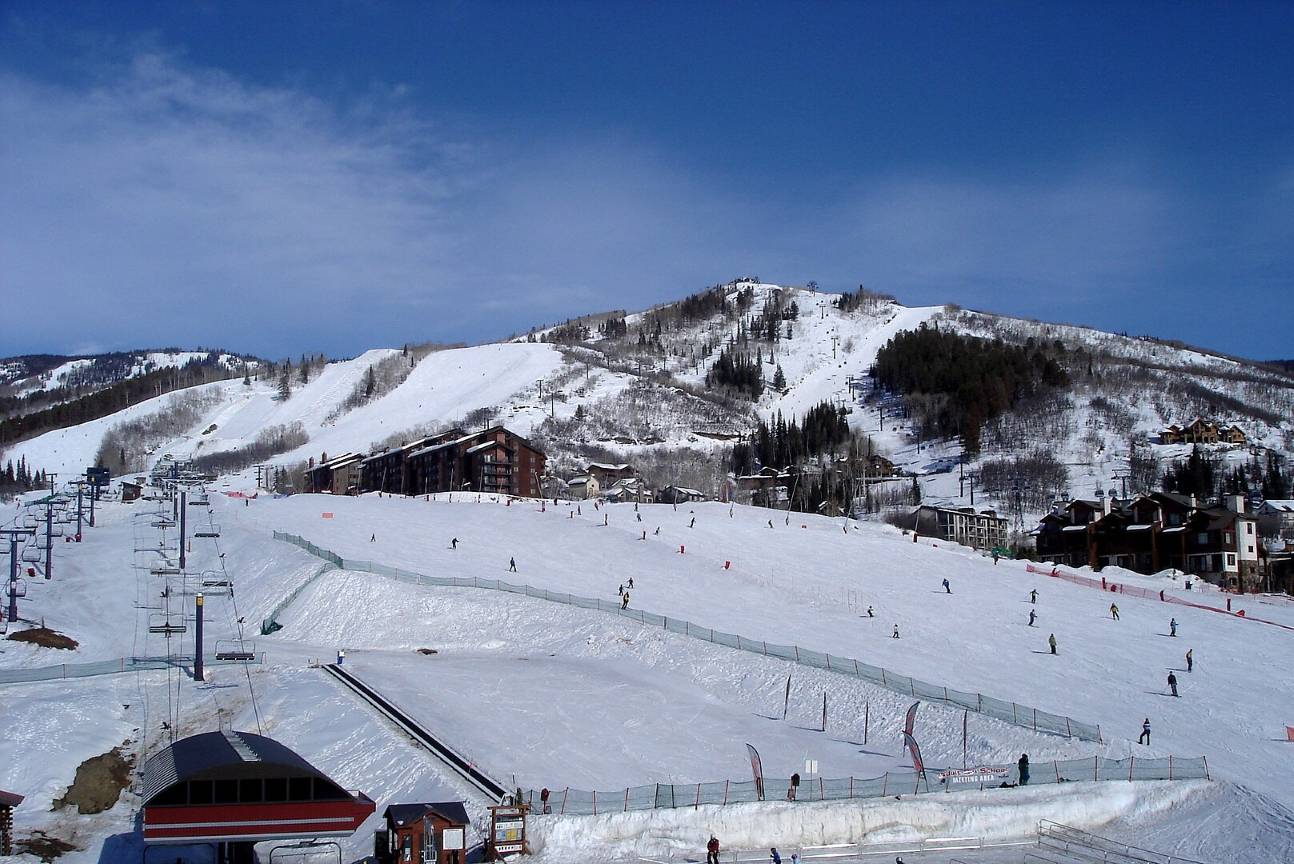
Here’s a risk table based on common patterns in the area:
| Terrain Feature | Risk Level | Why Watch It |
|---|---|---|
| Steep chutes (>35 deg) | High | Quick slab release |
| Open bowls post-storm | Medium-High | Wind loading |
| Tree runs | Medium | Pockets of instability |
| Glades below 10,000 ft | Low | Warmer, stable snow |
Risk levels follow CAIC patterns for angles and features.
Reading the Snow: Interpreting CAIC and Local Forecasts
Before you even load the car, you need a strict data routine. Because the Yampa Valley weather shifts conditions fast, yesterday’s safe zone could be today’s trap. Start by pairing resort cams with CAIC advisories to make smart calls before you head out. If the forecast is “Considerable,” you might decide to test slopes under 30 degrees first, but if it hits “High,” the only smart move is to stay in-bounds at the resort. As mentioned, I have skipped days on Considerable ratings, even when the lifts were spinning, it’s a discipline that saves lives.
Check updates every day, Yampa Valley weather shifts conditions fast. Steamboat ski resort avalanche risks spike after heavy overnight snow.
Key sources:
- CAIC (Colorado Avalanche Information Center): Park Range forecast for Steamboat zone.
- Steamboat.com snow report: Patrol notes on lift-accessed gates.
- UAC or NWAC apps: Neighboring insights.
Pair resort cams with CAIC advisories for smart calls. I’ve skipped days on Considerable ratings, even when lifts spin.
Where to check:
- CAIC.org—Park Range forecast.
- Steamboat.com/conditions for gate status.
- Avalanche.org app for mobile alerts.
- Local patrol social media.
I’ve used these before dawn patrols. They save lives.
Essential Preparation Checklist
Don’t wing it for Steamboat backcountry. Follow this every trip.
Gear Essentials
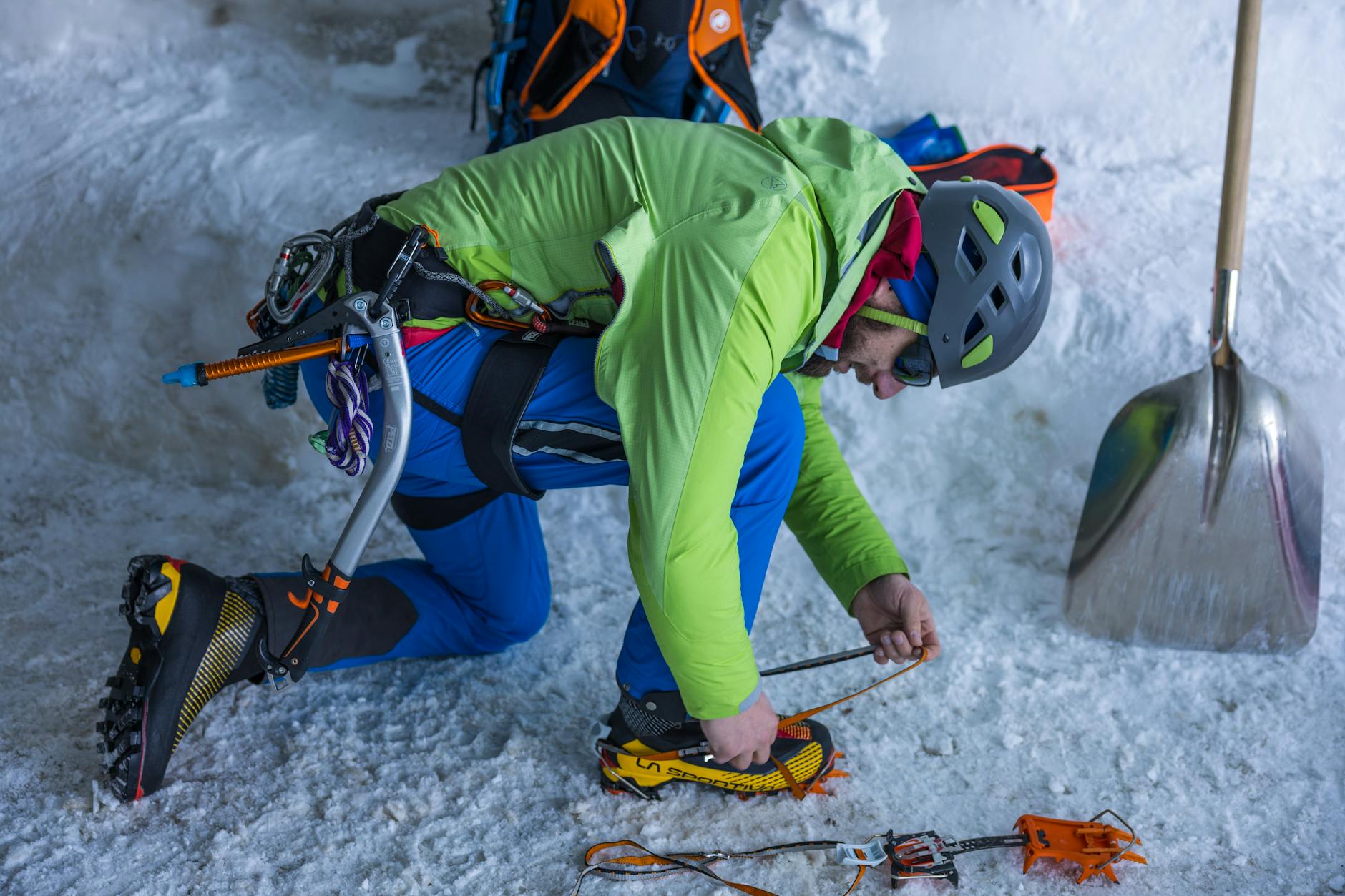
Pack these always:
- Avalanche transceiver (practice weekly).
- Probe (at least 240 cm standard).
- Shovel (metal blade).
- Airbag pack if you can swing it.
[Experience Note] My 260 cm aluminum probe caught a buddy once—carbon can snap, so stick to metal. Check out our Gear Essentials for more on backcountry kits.
Training Steps
- Take an AIARE Level 1 course.
- Practice beacon searches monthly.
- Learn terrain traps like cliffs and gullies.
- Always use the buddy system—no solo backcountry.
Go/no-go decision tree:
- Low forecast? Green light.
- Considerable? Test slopes under 30 deg first.
- High? Stay in-bounds at Steamboat ski resorts.
Quick Safety Checklist:
- [ ] Gear inspection and battery check.
- [ ] Review forecast and conditions.
- [ ] Share route plan.
- [ ] Practice rescue.
- [ ] Update emergency contacts.
Layer up right too—see our guide on what to wear for cold, wet conditions.
Local Resources and Pitfalls to Avoid
Search these for real-time info around Steamboat Springs ski resort:
- Steamboat Mountain School: Guided backcountry tours.
- Yampa Valley heli ops: Pro forecasts.
- Howelsen Hill patrollers: Local insights.
- Rendezvous Lodge: Fresh slide chatter from locals.
The Human Factor: Beating Groupthink
Perhaps the biggest danger in the backcountry isn’t the snow, but the people you ski with. It is easy to fall into “groupthink,” where everyone assumes someone else has checked the safety factors. If just one voice in your group says to bail, do it immediately. Overconfidence kills; deep powder is tempting, but it effectively hides instability. Whether you are relying on chatter from locals at Rendezvous Lodge or your own assessment, never let the desire for fresh lines override the data.
Steamboat night skiing? Stick to lit runs, gates close, risks drop. South-facing slopes rip at midday from sun. Ignore groupthink; if one voice says bail, do it. Overconfidence kills—powder tempts, but instability hides.
I’ve pushed limits here. Respect the mountain, ski smart, and shred safely.
FAQ
How to check avalanche conditions at Steamboat?
Start with CAIC.org for Park Range forecasts. Check steamboat.com snow reports and gate status next. Use apps for alerts—set them for daily push notifications.
What are common avalanche areas near Steamboat?
Watch chutes off Sunshine Peak, Closet Bowl islands, and backcountry gates from Mount Werner. Convex rolls hold slabs. Stick to known lines and test snow first.
Is backcountry skiing safe at Steamboat?
It can be with gear, training, and daily reports. Risks stay high, opt for guided trips or in-bounds if unsure. I’ve seen too many close calls without prep.
When is avalanche risk highest at Steamboat ski resort?
Post-storm with heavy snow, wind events, or warming temps. Early season and spring corn cycles too. Always check CAIC before heading out.
What gear do I need for Steamboat backcountry?
Transceiver, probe (240+ cm), shovel, airbag optional. Train on all, practice saves time in a real slide. See REI’s avalanche gear guide for details.