
If you have ever spent six hours sitting in chain control traffic on I-80 trying to reach a North Lake Tahoe resort, you know the frustration. The process of planning a ski trip for Bay Area families often requires handling multiple logistical headaches, from lodging costs to gridlock.
Located on Highway 4 between Lake Tahoe and Yosemite, Bear Valley Ski Resort offers a distinct alternative to the mega-resorts. It is not trying to be Heavenly or Palisades. It lacks the luxury shopping and high-speed six-pack chairlifts. Instead, the resort provides visitors with a rare California skiing experience: uncrowded slopes, affordable costs, and a peaceful environment.
This guide compares Bear Valley and the Tahoe giants to help you determine if taking the backroads instead of the freeway will suit your snow day needs.
Quick Verdict: Bear Valley vs. Tahoe
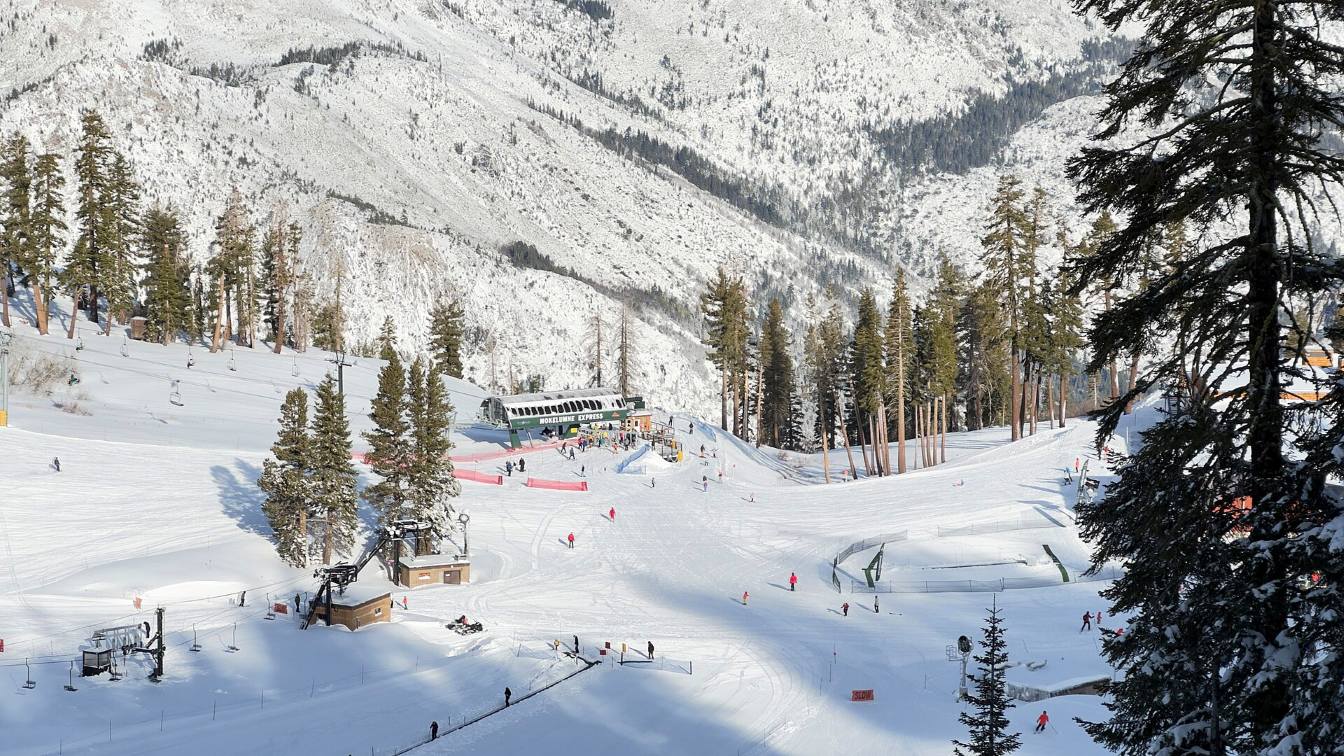
Bear Valley provides the most suitable conditions for families. The single base area provides safety for children because it lacks the sprawling layout where they might get lost, while the atmosphere remains friendly and non-competitive.
The best affordable option exists at Bear Valley. The lift ticket prices and dining expenses here cost significantly less than what Tahoe usually demands. If you are analyzing a Cost breakdown for the season, the savings on daily tickets here are substantial.
The best destination for nightlife exists at Lake Tahoe. The snow-covered Bear Valley area maintains a peaceful atmosphere because it lacks significant nighttime activities. If you want casinos, go to South Lake.
The best location for diverse terrain is Lake Tahoe. While Bear Valley has excellent expert terrain in Grizzly Bowl, Tahoe resorts offer far more acreage.
The Drive: Highway 4 vs. The Interstates
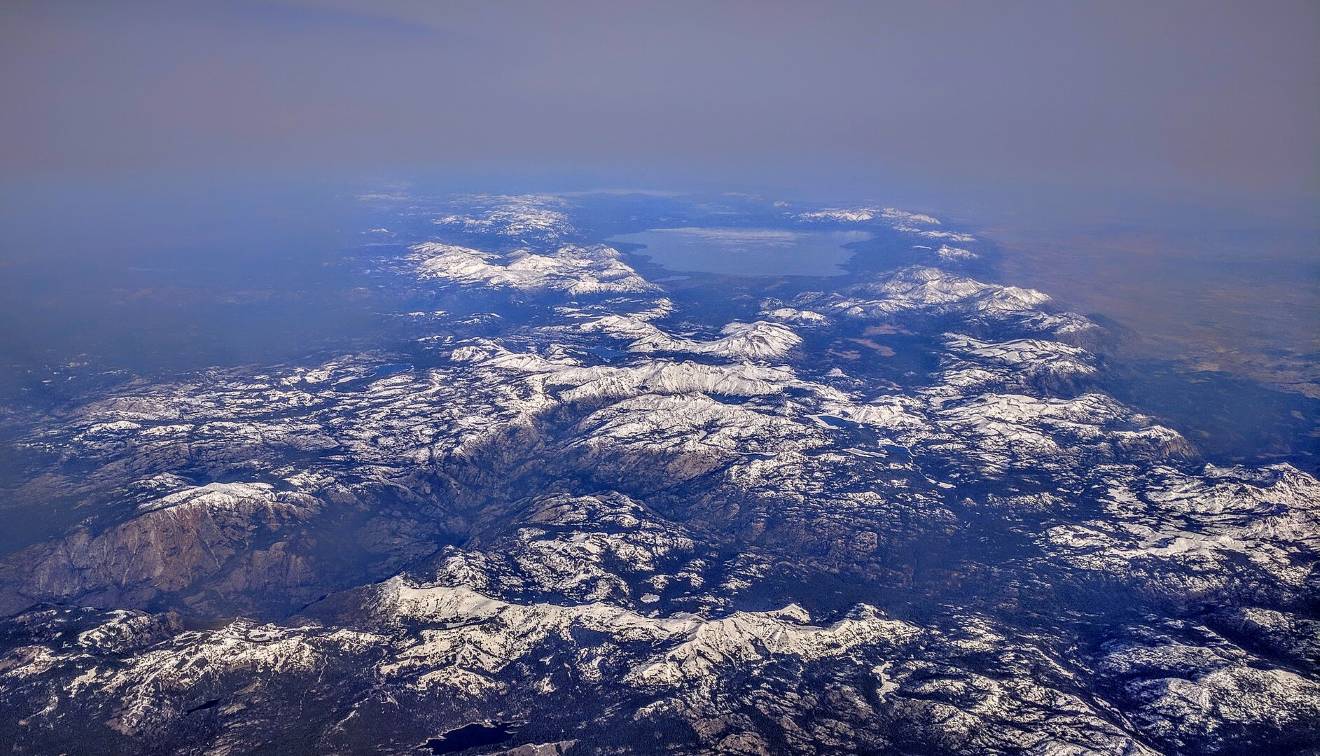
Most skiers follow I-80 and Highway 50 because they have become the default routes. However, the Bear Valley California ski resort becomes more reachable for East Bay, Central Valley, and South Bay residents because the route often shortens journey time by avoiding interstate congestion.
The Traffic Factor
Traffic on Highway 4 remains minimal compared to the Tahoe routes. You avoid the massive crush of cars leaving the Bay Area on Friday afternoons. While a slow-moving plow might briefly block your path, you rarely face the four-hour traffic delays common on I-80 during storms.
The Road Conditions
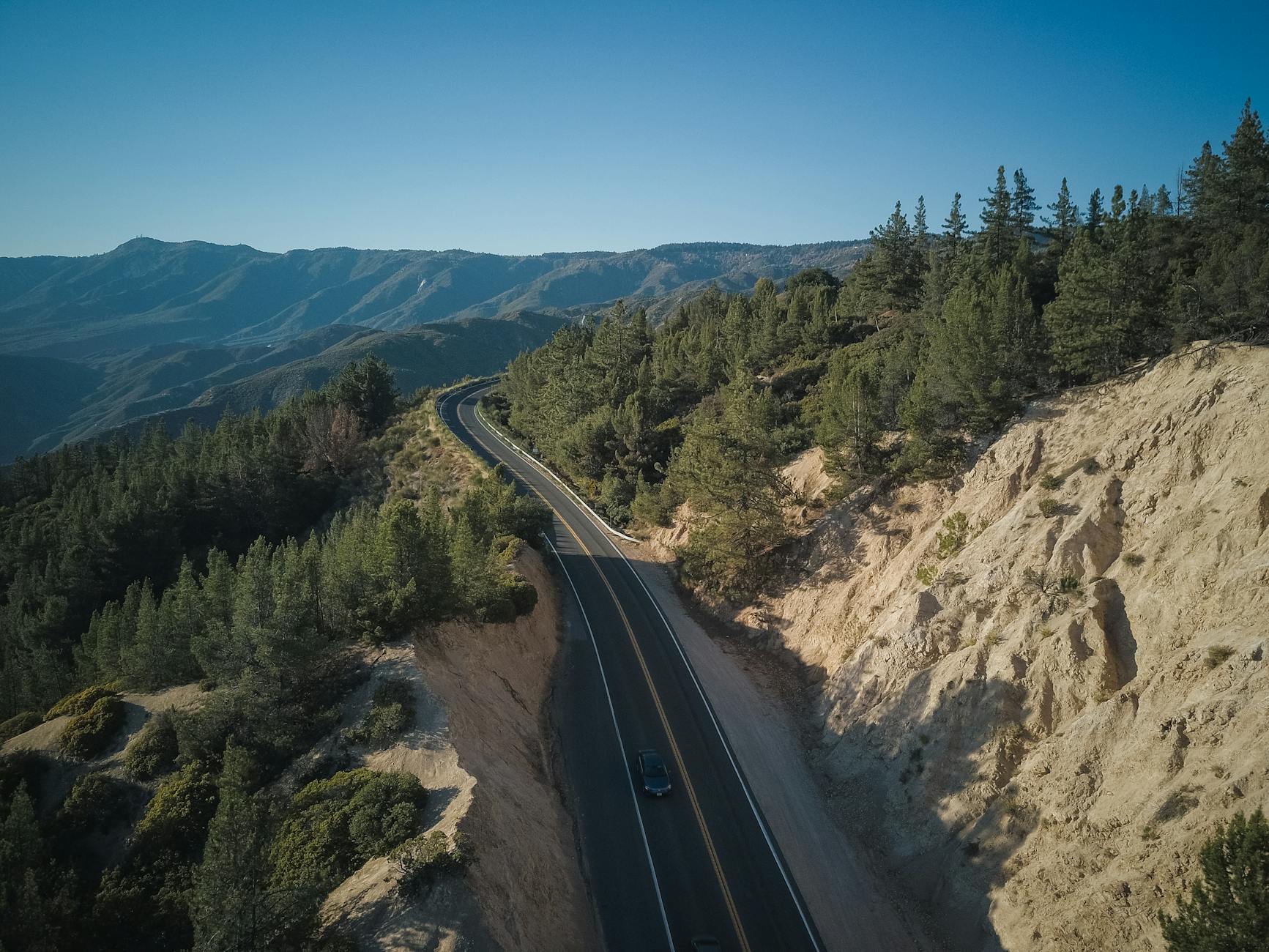
There is a trade-off. Highway 4 is a narrower, two-lane mountain highway. It lacks the wide shoulders of the interstate. It winds through the river canyon and climbs steeply past Arnold. The frequent curves could create difficulties if passengers get carsick.
[Experience Note] Highway 4 is scenic but requires focus. Unlike I-80, there are sections with steep drop-offs and no guardrails. Always carry chains, even in 4WD vehicles.
The California Department of Transportation (Caltrans) actively preserves this route, and the minimal traffic allows snow to remain in a packed state rather than melting into the slippery ice often found on busier highways.
Cost Breakdown: Lift Tickets and Value
Skiing has become an expensive hobby, but Bear Valley remains one of the more affordable options in the state.
The main Tahoe resorts often demand more than $200 for walk-up single day passes. The walk-up ticket prices at Bear Valley remain lower, and customers who buy tickets in advance through the website can get significant reductions. A family of four can often cover their accommodation costs with just the savings from lift tickets.
Furthermore, the majority of Tahoe resorts now require visitors to reserve paid parking spots during weekends, with fees often ranging from $30 to $50. Bear Valley maintains free parking availability for all visitors. The lodge offers visitors free parking facilities directly adjacent to the slopes.
The cafeteria at Bear Valley ski area charges affordable prices for its food, costing less than the $25 burgers other places offer. The ski lodge serves typical food which includes chili, burgers, and fries at approachable rates.
The “No Lift Line” Reality
The biggest selling point for Bear Valley is the lack of crowds. A typical Saturday in February at Tahoe resorts requires visitors to wait between 15 to 20 minutes for a lift. The wait time for a “long” line at Bear Valley remains under five minutes. During weekdays you can often ski directly onto the chairlift.
Your daily vertical distance calculation will be affected by this. Even though the mountain is smaller (about 1,680 acres), you get more runs in because you aren’t standing in line. This efficiency is critical for families teaching children to ski; your time is used for skiing instead of managing meltdowns in a queue.
Terrain & Vibe: Unpretentious vs. Resort Glamour
The skiing experience at Bear Valley provides visitors with a throwback atmosphere reminiscent of the 1990s. The lodge is functional and cozy, with a massive stone fireplace, but it isn’t luxurious. The area lacks heated sidewalks and valet parking services. When comparing against mega resorts, the difference in amenities is stark but refreshing.
The crowd is refreshingly down-to-earth. The parking area hosts family groups who tailgate, and the attitude on the hill is friendly. The local population welcomes chairlift passengers, and the aggressive speed-skiing behavior often seen on busy Tahoe slopes is rare here.
The Terrain Split
The upper mountain section, which contains the lodge, provides an ideal learning environment for beginners and intermediates. The “front side” extends in a broad area with consistent grooming. Because the lodge is mid-mountain, beginners can ski all day without ever having to take a scary run to get back to the car.
The lower mountain section of Grizzly Bowl and Snow Valley provides expert skiers with challenging steep skiing opportunities. The right conditions here create skiing that rivals the chutes at Kirkwood Mountain Resort, but guests can find untracked slopes without fighting for them.
Pitfalls: What to Watch Out For
Bear Valley provides an excellent substitute to Tahoe, but it contains some imperfections. Be aware of these common mistakes before you book.
- The Village is Separate: The ski resort operates independently from “Bear Valley Village,” which serves as its own separate entity a few miles away. The village is a snowbound residential community. You cannot drive your car to most cabins in the village; you must park in a central lot and take a snowmobile or sled to your rental. Without proper planning, arrival can be difficult.
- Older Infrastructure: The lifts at Bear Valley are vintage. There are fewer high-speed detachables compared to Tahoe. The lifts operate at a reduced speed, but the lack of lines usually compensates for the slower ride time.
- Road Closures: The road to Bear Valley (Highway 4) closes at the Mt. Reba turnoff, just past the resort. During major storms, the road may close lower down at Arnold. Always check the Caltrans QuickMap for updates before starting your journey.
Decision Framework: Which Resort is for You?
Use this simple rule of thumb to decide between the two destinations.
Choose Bear Valley Ski Resort if:
- Your main goal is to stay on snow for as long as possible with minimal friction.
- You are traveling with young children or beginners.
- You are on a budget and looking for affordable ski pass options or day tickets.
- Your preference for avoiding traffic jams exceeds your need for high-speed lifts.
Choose Lake Tahoe if:
- The vacation includes luxury amenities, upscale dining, casinos, and shopping.
- The trip requires different landscapes over a seven-day duration (Bear Valley is best for 2-3 days).
- You require ski-in/ski-out luxury hotels.
- You are meeting friends flying into Reno.
For the Bay Area skier wanting to free their weekends from traffic congestion, Bear Valley is a stress-free mountain retreat. Skiing exists to provide the experience of sliding down slopes, not waiting in lines.
Frequently Asked Questions
- Is Bear Valley cheaper than Lake Tahoe resorts?
- Generally, yes. Daily lift tickets at Bear Valley are typically significantly lower than the major Tahoe resorts, often by 30-50% depending on when you buy. Parking is also free, whereas many Tahoe resorts now charge $30 or more for weekend parking.
- How long is the drive to Bear Valley from the Bay Area?
- From the East Bay, the drive is roughly 3 to 3.5 hours via Highway 4. While the mileage is similar to North Lake Tahoe, the drive is often faster on weekends because Highway 4 sees far less congestion than the I-80 corridor.
- Does Bear Valley have as much terrain as Tahoe?
- No. Bear Valley features about 1,680 skiable acres, which is smaller than giants like Heavenly or Palisades Tahoe. However, it is comparable in size to mid-sized Tahoe resorts like Sugar Bowl and offers plenty of variety for a weekend trip.
- Is the drive on Highway 4 difficult in winter?
- Highway 4 is a two-lane mountain road that is narrower and twistier than I-80. While it is well-plowed, it can be intimidating for drivers uncomfortable with mountain curves. Always carry chains and check conditions, as the road is steep near the resort.